Why an Irish Pub NYC Setting Works for Every Season
New York changes personality every few months. Streets that feel electric and impatient in July turn reflective in November. January narrows everyone’s attention to warmth, convenience, and comfort. Spring brings back appetite, sidewalks, and the urge to linger. In a city that lives so intensely by season, very few hospitality settings feel right all year. An Irish Pub NYC atmosphere does.
That staying power is not an accident, and it is not just about Guinness, whiskey, or nostalgia. It comes from a rare combination of design, food, pace, and social flexibility. A well-run Irish pub can absorb a cold snap, a rainy afternoon, a summer Friday, a holiday rush, or an ordinary Tuesday without feeling out of step with the moment. Some venues excel during one narrow slice of the calendar. Rooftops belong to warm weather. Wine bars can feel best in cooler months. Beachy concepts often struggle once coats come out. The Irish pub, at its best, adapts.
Anyone who has spent serious time in New York hospitality recognizes how difficult that is. Seasonal relevance affects traffic, staffing, menu planning, event business, and guest loyalty. A place that feels useful, inviting, and emotionally correct in every season has an operational advantage, but it also has something more valuable. It becomes part of people’s routines.
The room does a lot of the work
An Irish pub succeeds year-round because the room itself is built for emotional range. Dark wood, polished brass, worn leather, soft light, framed mirrors, and a long bar create a setting that reads as warm in winter and grounded in every other season. It is not sterile, and it does not depend on a trend cycle. Good pub interiors age well because they are supposed to look lived in.
That matters more in New York than many operators admit. People in this city make quick judgments about where they want to spend two hours. A room can feel too loud, too bright, too precious, too performative, or too cold. The best pub rooms rarely have that problem. They offer visual texture without intimidation. A guest can walk in wearing a wool coat and boots in February or come off a sunlit avenue in May and still feel the space makes sense.
There is also a practical side to the layout. Most Irish pubs are designed around flexibility. The bar serves solo guests and pairs. Banquettes and larger tables handle groups. Corners work for quiet conversations. Standing room near the bar can absorb after-work overflow. In a city where plans change by the hour, that flexibility matters. Not every outing is a formal dinner. Sometimes people want a proper meal, sometimes one drink before a train, sometimes a place to wait out weather, sometimes a room where six friends can gather without committing to a tasting menu.
An Irish pub does not ask people to perform a version of themselves. That is a bigger advantage than it sounds.
Winter is the obvious season, but not the only one
Winter is where the appeal becomes easiest to explain. New York winter can be beautiful, but it can also be punishing. Wind tunnels off the avenues, wet sidewalks, delayed trains, and early darkness change what people want from a restaurant or bar. They want shelter first, then food, then atmosphere. A pub delivers all three quickly.
There is a particular relief in opening a heavy door and stepping into a room where the light is lower, the air is warmer, and the bar already feels alive. That transition is part of the value. Hospitality operators sometimes underestimate these micro-moments, but guests do not. They remember how a place made them feel in the first sixty seconds.
Winter menus fit the format naturally. Stews, pies, roasted meats, fish and chips, chowders, mashed potatoes, and rich gravies are not seasonal add-ons in an Irish pub. They belong there. The same goes for a well-poured stout, a hot whiskey, or a straightforward ale. None of it feels gimmicky. It feels earned.
That authenticity matters because winter can expose weak concepts. Plenty of places add “cozy” elements once the temperature drops, but guests can tell when warmth has been staged. An Irish pub does not need to pretend. Its core identity already matches the season.
There is also the social reality of winter in New York. Holiday gatherings, office meetups, family visits, and spontaneous refuge from the cold all increase the need for venues that are easy to understand. Not everyone wants a formal dining room in December. Not every group can agree on a cuisine-specific spot. A pub is a rare compromise that does not feel like a compromise.
Spring is when versatility becomes visible
Spring in New York is less settled than people remember. One day feels like March, the next like June. You can have a warm afternoon and a chilly night in the same 24-hour span. Concepts built around one mood often struggle with that. The Irish pub usually does not.
This is the season when people start moving more freely again. They walk farther, meet more spontaneously, and say yes to one more stop. A pub fits that pattern because it can be many things in a single evening. It can start as a casual drink after work, become dinner without a fuss, and stretch into a longer social gathering. That fluidity suits spring perfectly.
The food also opens up well. While hearty staples remain relevant, spring menus can bring in grilled fish, brighter salads, seasonal vegetables, lighter sauces, and fresh herbs without breaking the identity of the place. A smart pub kitchen understands this balance. It does not abandon comfort, it loosens it. That difference is important. Guests still want substance in April. They just do not always want the same density they wanted in January.
Even the acoustics of a good pub help in spring. People come in energized, ready to talk, often in larger numbers. A room with natural hum, rather than nightclub volume or hushed fine-dining restraint, supports that mood. You can celebrate something small there, a new job, the first warm evening, an out-of-town friend visiting, without making it feel overproduced.
Summer reveals the pub’s underrated strengths
Summer is where some people misread the category. They assume an Irish pub is mainly a cold-weather idea, then spend one humid afternoon looking for air conditioning, a reliable meal, and a place to sit with friends that does not require rooftop reservations. Suddenly the value is obvious.
A good Irish Pub NYC location works in summer because it provides relief without draining energy from the city. It is cool, but not lifeless. Casual, but not careless. You can come in sun-tired and still feel connected to the day rather than hidden from it.
This is especially true in neighborhoods with heavy foot traffic. In summer, New Yorkers and visitors both make decisions based on convenience and trust. They want to know the drinks will be cold, the service steady, and the kitchen capable of handling lunch, late afternoon, and dinner with equal competence. A pub’s breadth becomes an asset. Beer is an obvious draw, but it is not the whole story. Crisp lagers, gin drinks, whiskey highballs, cider, iced coffee at brunch, sparkling options, and straightforward nonalcoholic drinks all fit naturally. So do oysters in some pubs, lighter sandwiches, grilled chicken, salmon, or a solid burger that satisfies without weighing people down.
There is another summer advantage that operators notice immediately: mixed groups are easier to accommodate. Tourists, families, neighborhood regulars, sports fans, and office workers can all coexist in an Irish pub without creating friction. That is not true everywhere. Some summer-forward venues depend on a very specific crowd and can feel awkward if your group does not match it. The pub is more democratic.
If there is outdoor seating, the model becomes even stronger. Sidewalk tables shift the room’s energy outward without changing its character. Guests can have the openness of summer while keeping the familiarity of the pub behind them. The transition between street and bar feels seamless, which is exactly what people want in warm weather.
Fall may be the season it wears best
If winter is the obvious fit, fall may be the ideal one. New York in fall has appetite. People are back from travel, work rhythms sharpen, and https://eduardovcxh046.inkharbory.com/posts/a-cozy-night-out-starts-at-the-right-irish-pub-nyc-bar social calendars fill up. There is a renewed desire for places with atmosphere, and the Irish pub is almost perfectly aligned with that mood.
September and October bring a return to indoor gathering, but without winter’s urgency. People want rooms that feel alive. They want food with depth. They want a setting that supports long evenings. Sports return to the center of many social routines. The days shorten. Jackets come back out. A pub meets the city right there.
What makes fall particularly strong is that every part of the experience starts pulling in the same direction. Dark wood looks richer in autumn light. A stout or amber ale makes sense again. So does shepherd’s pie, roast chicken, bangers and mash, or a steak with fries. None of it feels heavy for the sake of being heavy. It feels seasonal in the most natural way.
For many guests, fall is also when habit forms. Summer is scattered. Winter can be intense. Fall is when people establish their “let’s just go there” places. An Irish pub often becomes one of them because it handles so many recurring occasions well: pre-theater dinners, game watches, low-key birthdays, first dates, family meals, team gatherings, and the simple need for a dependable bar on a Thursday night.
It suits the way New Yorkers actually socialize
Seasonal success is not just about décor and menu engineering. It is about behavior. New Yorkers do not entertain in neat categories. Dinner often begins late. Drinks become food. A quick stop becomes a two-hour conversation. Friends join from different parts of the city at different times. Weather can disrupt the original plan. People may want to split the check six ways, eat seriously, or just snack while talking.
The Irish pub format absorbs all of that better than most.
It works for the person meeting one friend at the bar and for the group of eight drifting in after a show. It works for someone who wants a full entrée and for someone who only wants soup and a pint. It works for regulars who know the bartender’s name and for first-time guests who simply want a comfortable seat and no drama.
This matters across every season because social life in New York is rarely as tidy as reservation platforms suggest. Venues that only work under ideal conditions lose people. Venues that make room for messy, ordinary life keep them.
There is also a subtle but important point about timing. Pubs are comfortable at almost any hour. They can carry brunch into afternoon, after-work into dinner, dinner into late drinks. The mood shifts, but the room still feels correct. Many concepts do one part of the day beautifully and the rest awkwardly. A pub is rarely awkward.
Food gives the setting real year-round credibility
A pub that survives every season does not do it on atmosphere alone. The kitchen has to be credible. Fortunately, the best Irish pubs usually build on dishes that people actually want to eat repeatedly, not just try once.
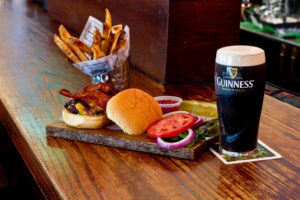
Comfort food is often dismissed as simple, but good pub cooking takes discipline. Frying fish cleanly without greasiness, getting mashed potatoes silky, seasoning a stew so it tastes deep rather than muddy, keeping a burger juicy during a rush, serving brunch eggs consistently, balancing portion size with value, all of that separates a neighborhood institution from a tourist trap.
The broad appeal of the menu is what gives the pub seasonal resilience. In colder months, guests lean into braises, pies, soups, and darker beers. In warmer months, they shift toward salads, seafood, sandwiches, grilled items, and lighter pours. The pub can support both without confusing the guest. That continuity is powerful.
It also helps with group dynamics. One person can order a steak, another a salad with salmon, another fish and chips, another a vegetarian plate, and nobody feels like they settled. That sounds basic, but many venues fail exactly there. They are too narrow to satisfy a mixed table. An Irish pub often wins by being expansive without being unfocused.
Drinks culture gives each season its own rhythm
Seasonal relevance in New York often depends on whether a bar’s drink program can move with the calendar. The pub is unusually well suited for that. It already has a built-in language of seasonality.
In winter, darker beers, Irish coffees, hot whiskies, richer reds, and neat pours feel right. In spring, the room can brighten with crisp lagers, gin-forward cocktails, and fresher, herbal profiles. Summer welcomes shandies, pilsners, spritz-style drinks, ciders, and highballs. Fall invites red ales, porters, whiskey drinks, and fuller-bodied beers back into the spotlight.
The key is that none of these shifts feel forced. A skilled pub bar program can evolve across the year while staying legible. Guests do not need a dissertation on the menu to understand what belongs there. They recognize the range intuitively.
That ease has business implications too. People are more likely to return to a place where ordering feels natural. They do not want every drink decision to become a performance. The best pubs preserve a sense of discovery without sacrificing comfort.
The emotional register is right, no matter the month
Some spaces are fun but exhausting. Some are elegant but distant. Some are casual but forgettable. The enduring strength of an Irish pub is emotional calibration. It often lands in the middle ground where people feel both at ease and slightly looked after.
That feeling becomes especially valuable in a city that can be relentless. New York asks for a lot from people. Commutes run long. Work bleeds into evenings. Weather shifts plans. Social schedules stack up. In that context, a place that reliably offers warmth, noise at the right level, familiar food, and unpretentious service becomes more than a theme. It becomes infrastructure.
This is one reason regulars matter so much in pub culture. Returning guests are not only loyal to the menu. They are loyal to the feeling of being able to drop in without friction. They trust the room. They trust the staff. They trust the pace. That trust does not disappear when the season changes. If anything, it becomes more valuable.
Not every pub gets this right
Of course, the category has its weak versions. Some lean too heavily on clichés. Some overplay novelty and underdeliver on food. Some are dark in a dreary way rather than a welcoming one. Some become overly dependent on one holiday, one sports crowd, or one neighborhood demographic.
A genuinely strong Irish Pub NYC venue avoids those traps by staying balanced. It understands heritage without turning into costume. It respects the classics but keeps standards current. Service is warm, not sloppy. The room is comfortable, not tired. The menu is broad, not bloated. The drinks list is reliable, not lazy.
That balance is harder to maintain than it looks. It requires management that understands rhythm, staffing, and the distinct demands of each season. Summer may require a lighter touch on the floor and a stronger cold-beverage game. Winter needs efficient coat management, faster comfort-food execution, and tighter control of crowded service windows. Fall sports calendars may change traffic patterns. Spring brings erratic weather and erratic reservations. The pub that feels effortless is usually being run with a lot of intention.
Why it keeps earning its place
There is a reason people continue choosing the Irish pub format in a city crowded with novelty. It gives them a room that makes sense of the season they are in, whether that season is literal or personal. It can host celebration, routine, refuge, and spontaneity without changing its identity every few months.
That is rare. Most hospitality concepts need ideal conditions to shine. The Irish pub is built for real life instead. It can be a haven on a freezing night, a lively stop in spring, a cool refuge in summer, and a natural gathering place in fall. It serves office workers, neighborhood regulars, visitors, couples, families, and groups of friends with unusual ease. It wears time well. It wears weather well.
For a city that never really stops moving, that kind of consistency matters. The best pub is not just season-proof. It is season-aware. It meets New York where New York is, all year long.
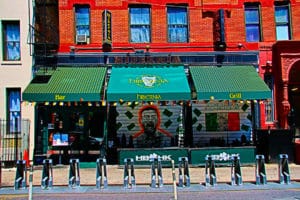
Hibernia Bar
401 W 50th St
New York, NY 10019, United States
Phone: +1 212-969-9703
FAQ About Irish Pub NYC
What is the best Irish pub in NYC?
The best choice depends on your location and preferred atmosphere. Hibernia Bar is a neighborhood Irish pub in Hell's Kitchen offering Guinness, Irish whiskey, pub food, and sports viewing.
Where do Irish people go in NYC?
New York's Irish community gathers in many neighborhoods and venues. Hibernia Bar welcomes Irish expats, local residents, and visitors at 401 W 50th St, just off Ninth Avenue.
Where can I watch GAA games in New York?
Hibernia Bar lists GAA among the sports it shows. Call +1 212-969-9703 to confirm coverage and opening times for a particular match before visiting.
What is the difference between a bar and a sports bar?
A sports bar emphasizes televised games and a shared viewing atmosphere. Hibernia combines sports viewing with the food, drinks, and hospitality of a neighborhood Irish pub.